Active lane
Night Chrome
01
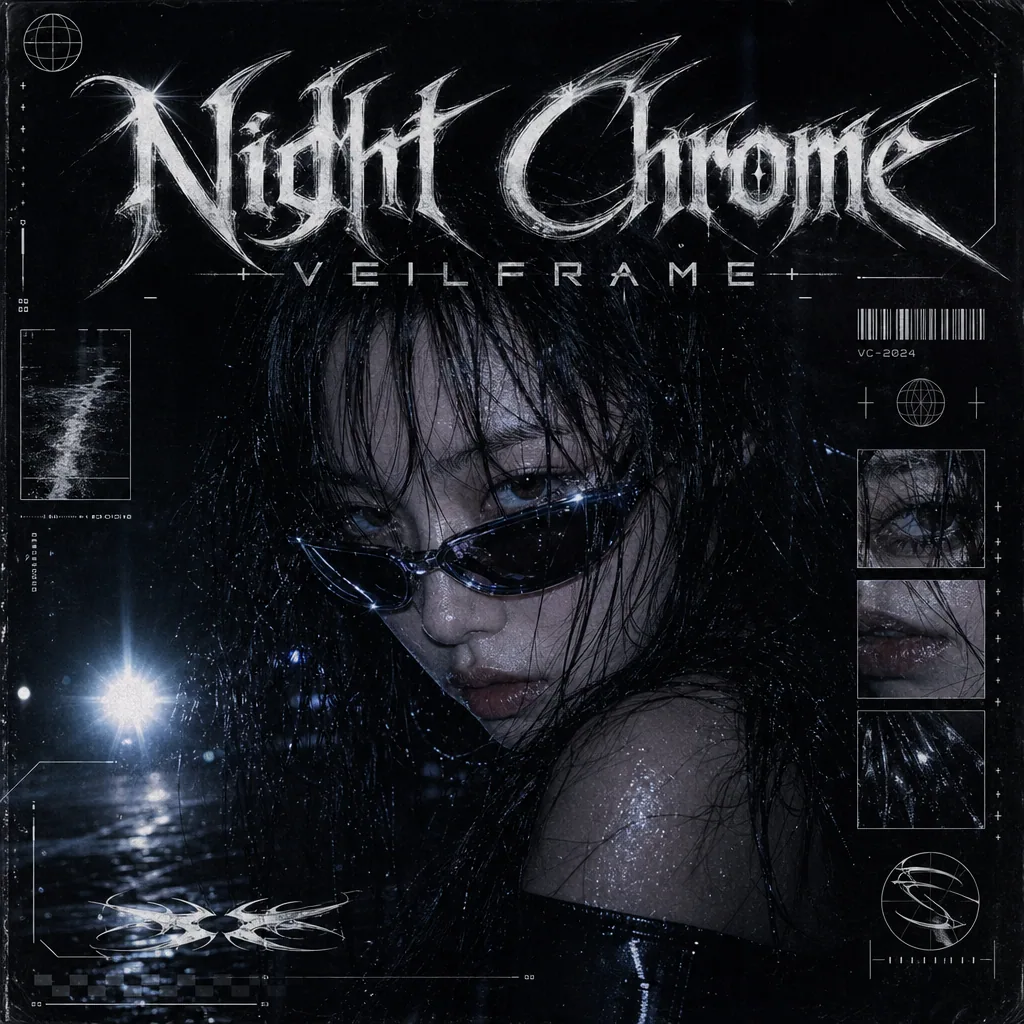
Cold flash, wet hair, dark club energy. Chrome typography, dense composition, editorial night-vision.
Scene-native cover systems for artists shipping wave, hardwave, witch house, drift phonk, electroclash, rave, angelcore, and dark electronic releases.
One lane becomes the cover, crops, clean master, metadata pass, and promo surface.
3 free credits · no card · paid exports include commercial use
Cold flash, wet hair, dark club energy. Chrome typography, dense composition, editorial night-vision.
Choose the visual world before you write a prompt.
Enter artist, title, and mood so the cover fits the drop.
Build the cover, save the release, export the promo formats.
Square master — full cover lockup for DSPs and cover art.
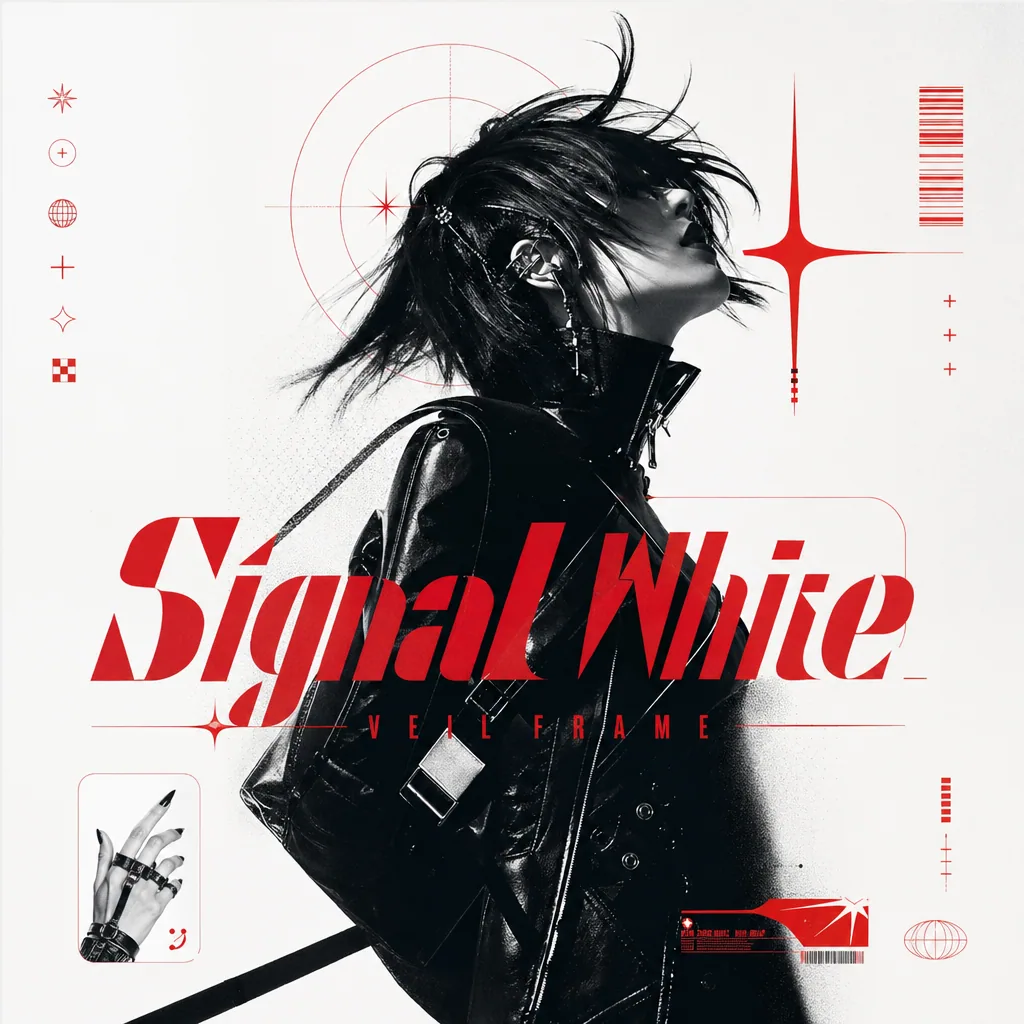
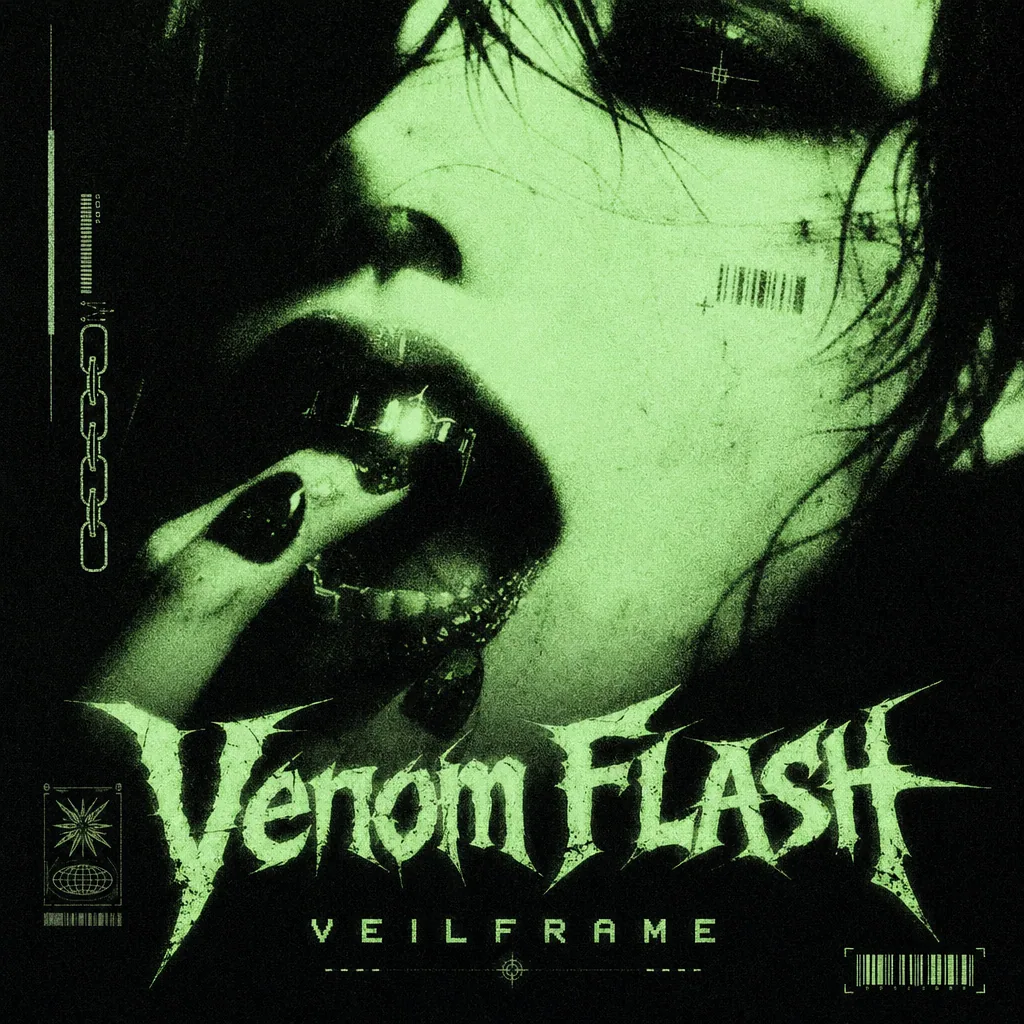
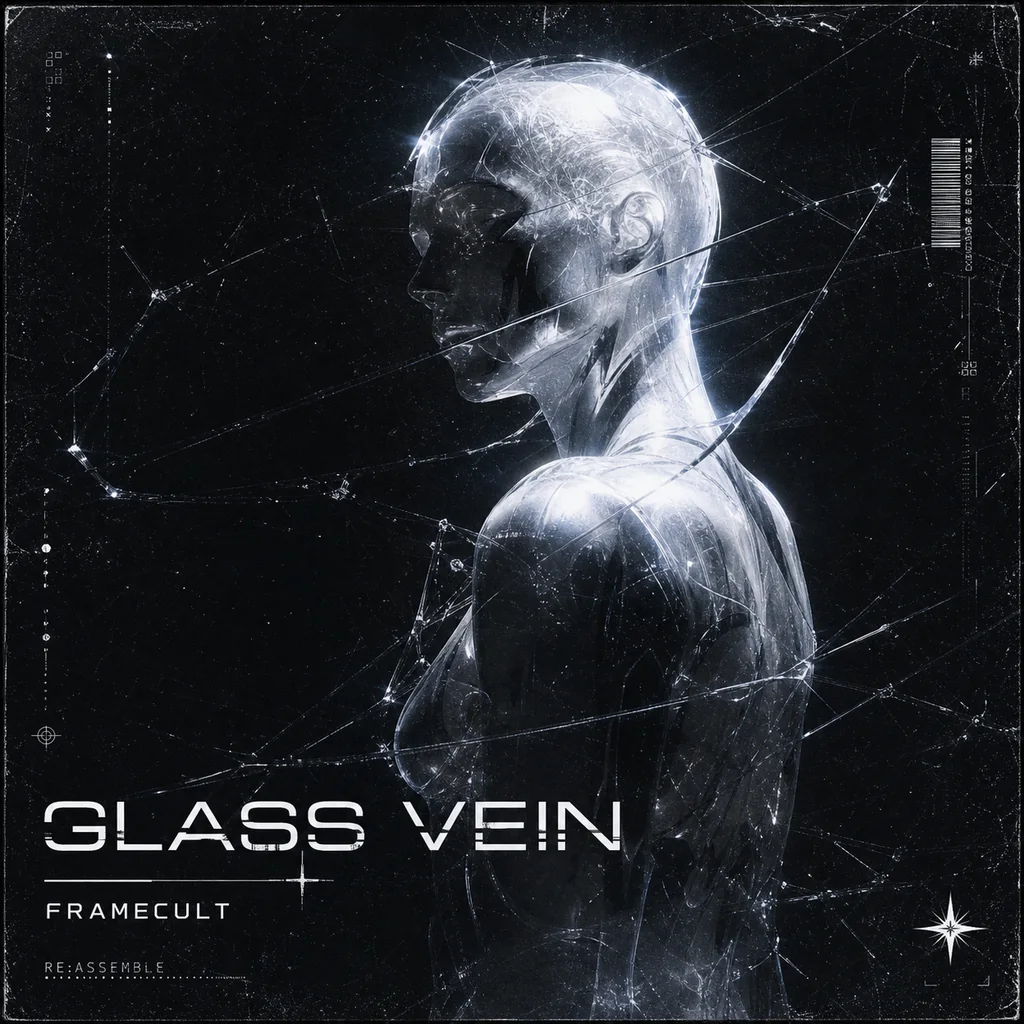
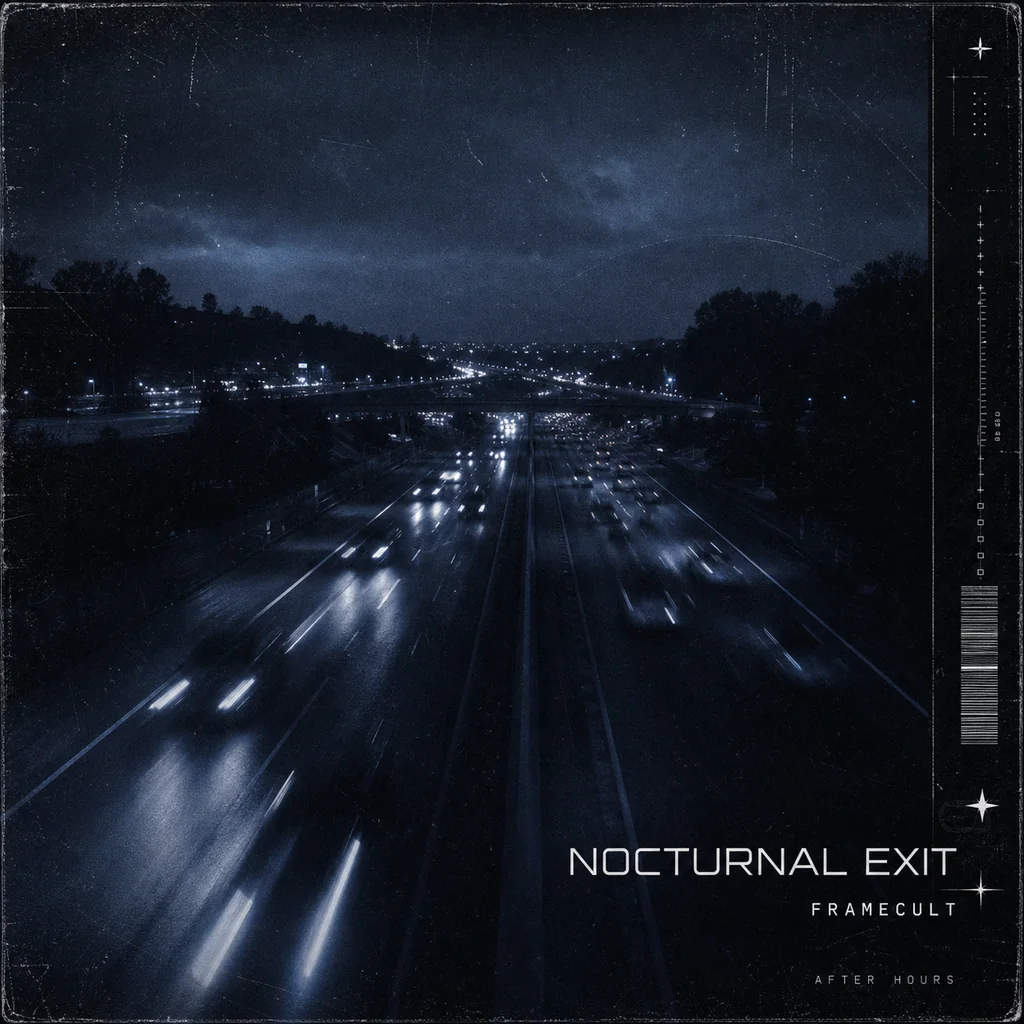
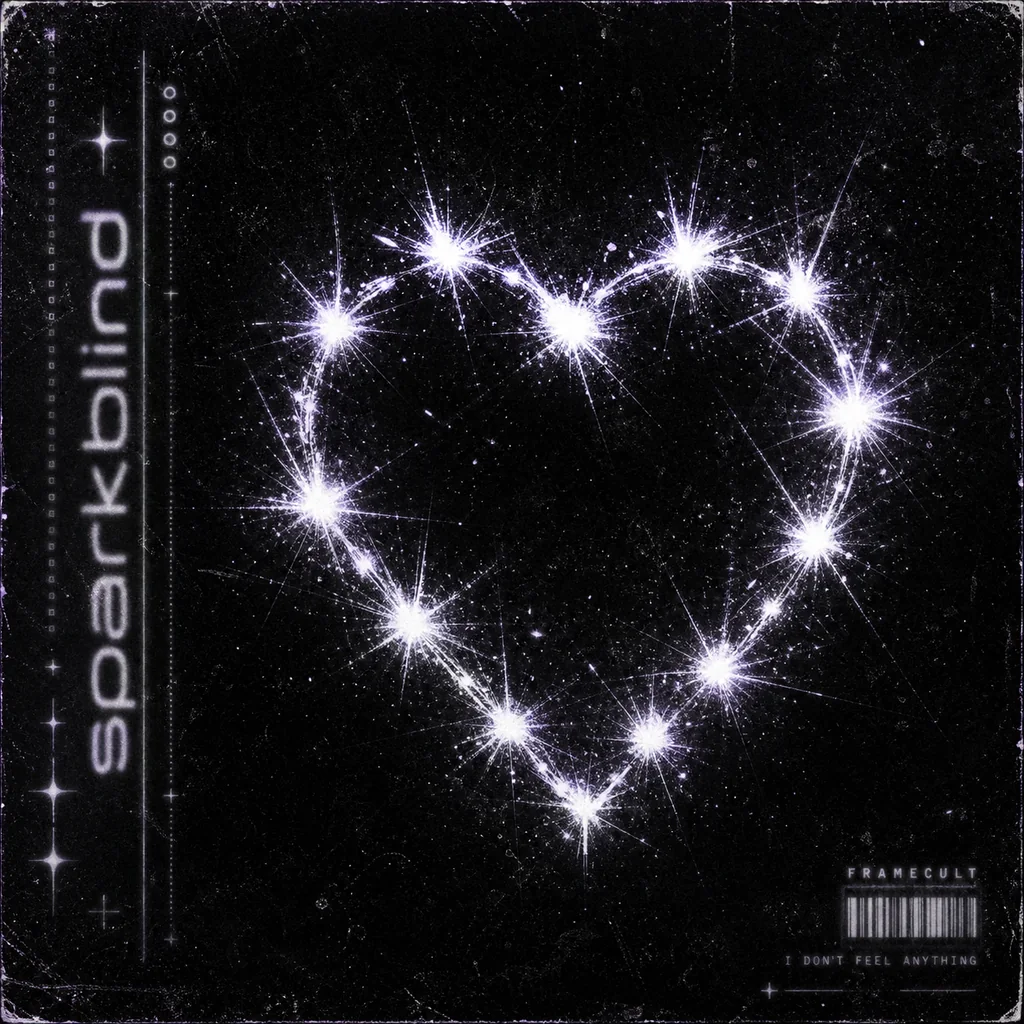
Keep each alias attached to a consistent visual lane.
Artist, title, mood, lane, and export state stay together.
Square, feed, story, clean master, metadata, and saved library.
Use Signal and saved sessions as a lightweight approval trail.
For testing the desk and shipping first drops.
For weekly releases and active artist cadence.
For producers running aliases and frequent releases.
For teams, labels, collectives, and rosters.
$29 one-off
50 credits, no subscription, no expiration.
3 free credits to start · 1 credit = 1 cover build · format rebuilds cost 3 credits each. Paid plans and Day Pass include commercial usage.
FRAMECULT is an AI cover art release desk for underground music. You pick a visual lane, add artist, title, and mood, then build a release-ready cover direction without writing prompts.
No. The lane carries the art direction. You only add release context: artist, track title, and a short mood note.
A build creates a lane-based cover direction and saves the release context. Paid paths unlock production masters, format rebuilds, and metadata options.
The lanes are tuned for wave, hardwave, witch house, Russian witch house, phonk, drift phonk, electroclash, rave, jumpstyle, angelcore, darkwave, dark electro, melancholia, and adjacent underground scenes.
The studio supports release-ready square masters and native social format rebuilds. Production Master options vary by plan, with higher tiers unlocking larger master files.
1 credit = 1 cover build. Format rebuilds for 4:5, 9:16, or 16:9 cost 3 credits each because they rebuild the composition natively instead of cropping pixels.
Yes. Subscription plans can be cancelled from the account area. Credits from the current paid cycle remain usable until the cycle ends.
Open-ended generators make you manage prompts and consistency. FrameCult gives you fixed visual lanes, release context, and export behavior built specifically around music packaging.
No user release data is used to train a public model. Your builds are treated as workspace assets, not as raw material for a public training loop.
Your account, release context, and saved library items are stored in the FrameCult workspace so you can reopen kits later. Do not upload private unreleased material you are not allowed to process.
Paid outputs include commercial usage for streaming, socials, press, and label workflows. Trial credits are for evaluation until you subscribe or buy a Day Pass.
Paid outputs can be used across release promotion and packaging. For physical production, use the highest available production master and check your print vendor's specs.
You can use paid outputs commercially for your release. FrameCult keeps the underlying lane system, templates, product code, and art-direction logic.
Label plans are built around roster usage: higher credit volume, artist seats, saved release sessions, and batch workflows.
Yes. The launch desk uses curated lanes, and Label workflows can request custom lane personas for artists, aliases, and release series.
Paid outputs are intended for commercial release packaging across streaming, social promo, press assets, and label workflows.
You start with 3 free credits and no credit card. Use them to see whether the desk can find the right cover direction before choosing a paid export path.
You can upgrade to a monthly plan or buy a Day Pass for 50 credits. Failed attempts do not count when the server rejects or fails the build.